We got the support of four undergraduate students (Xu Chen, Timothy Odom, Alex Outkou, and Neel Surya) to work on this program this Summer as part of Mountaintop Program at Lehigh University. Happy to report a few milestones for this project as part of our project to use Bokeh for teaching science and engineering concepts.
The goal of this portion of the project was to introduce data science concepts to students in engineering. It covers five aspects:
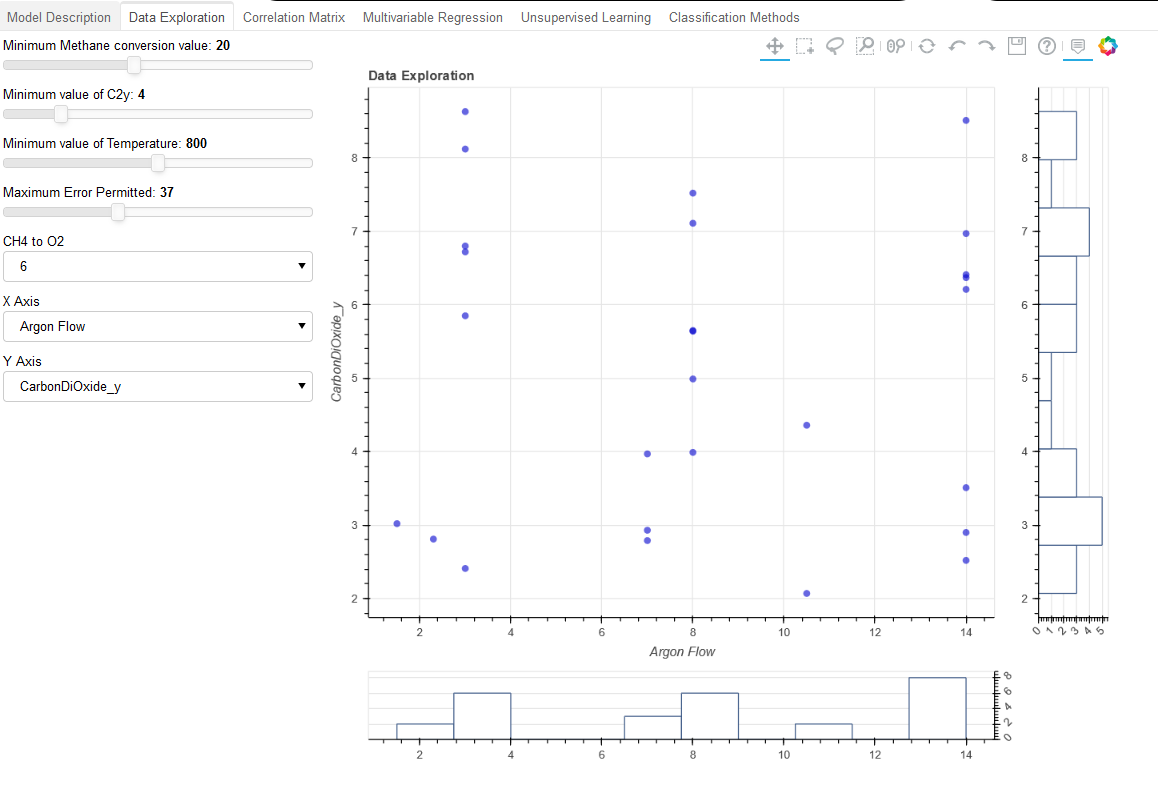
(i) a data exploration section to understand the distribution of the datasets being used;
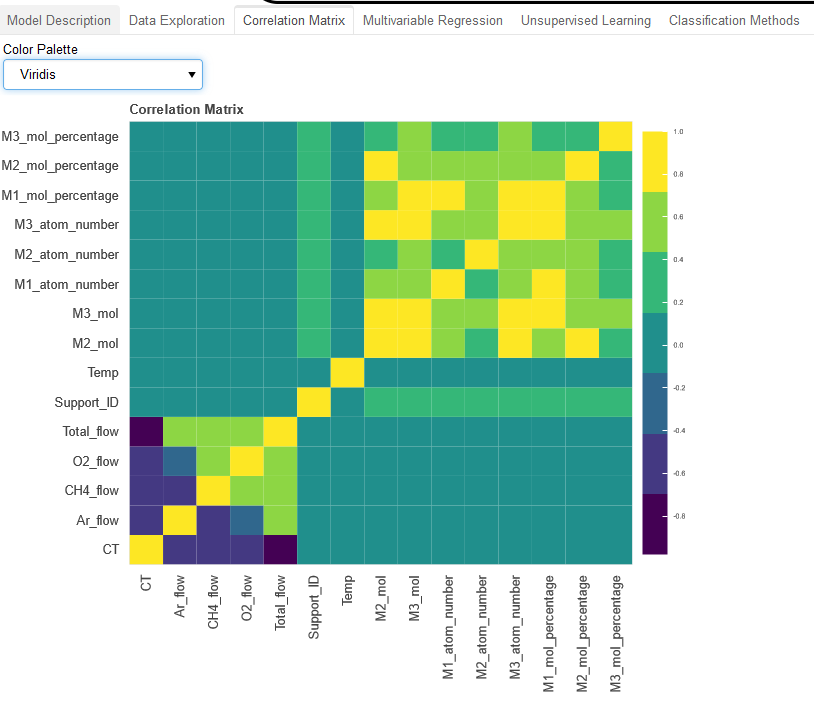
(ii) a correlation matrix section to show the correlation between all the features in the datasets. Inspired from Bokeh_CorrelationMatrix;
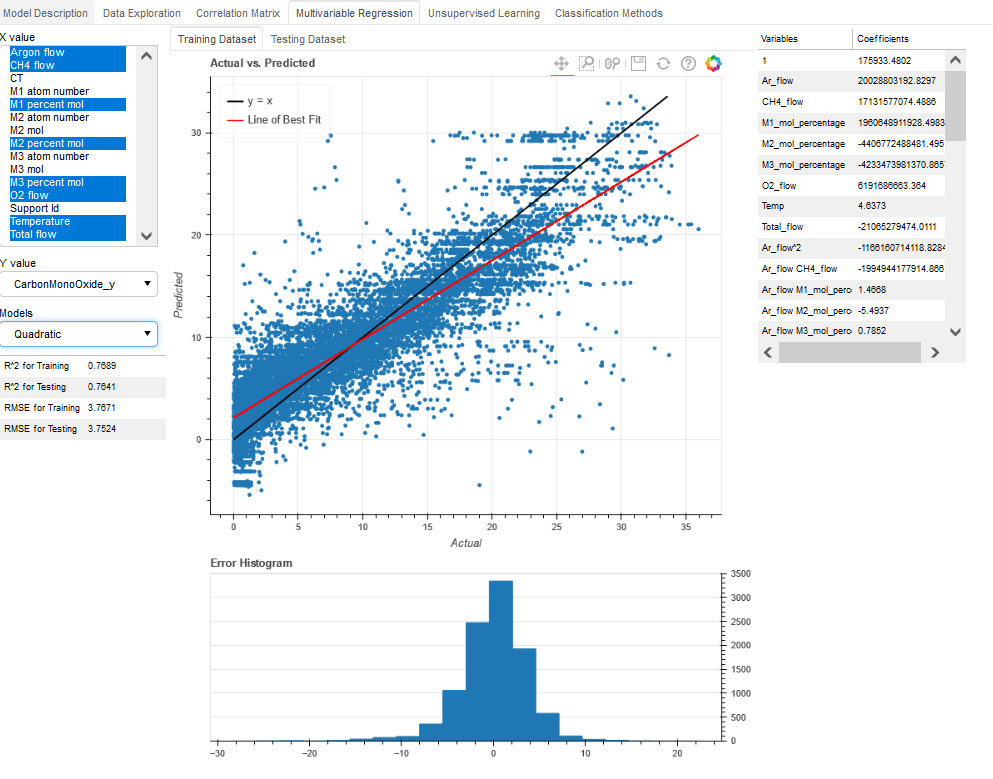
(iii) a multivariable regression section to build a customized regression model;
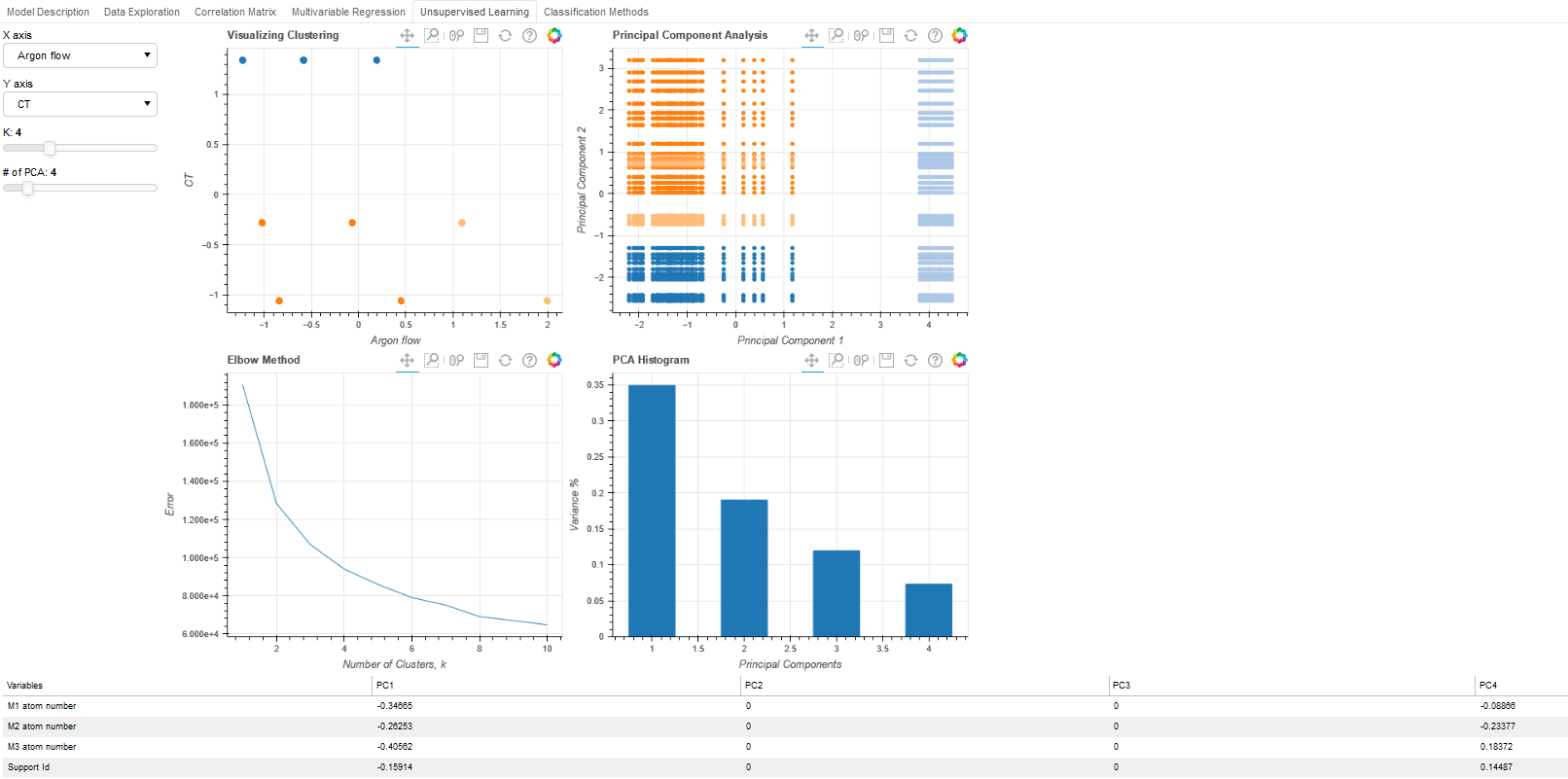
(iv) an unsupervised learning section covering clustering and principal component analysis;
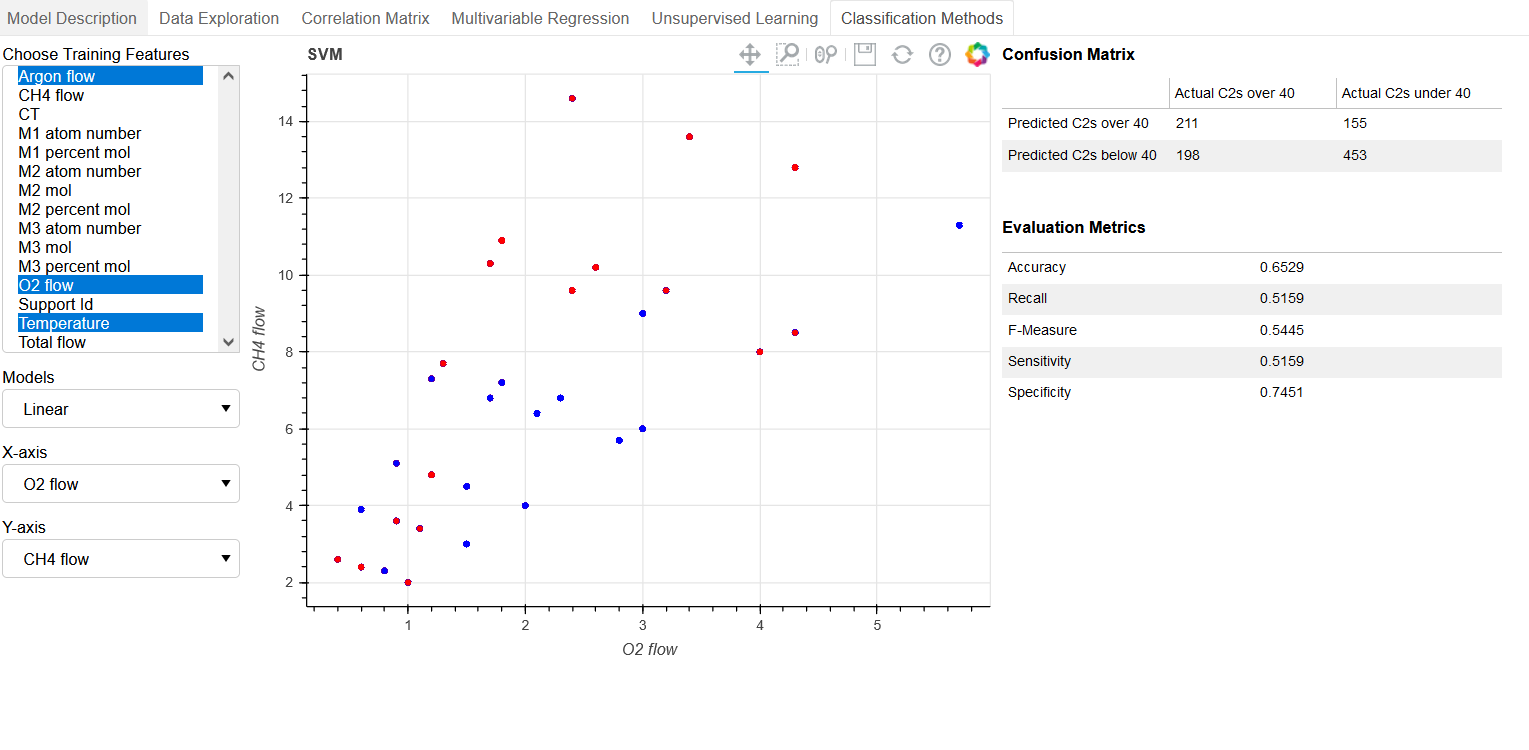
and (v) a classification section to determine how datasets are partitioned into various “classes” .
Xu/Timothy/Alex/Neel were able to use example code as a template and utilizing detailed documentation of Bokeh and scikit-learn, were able to work independently throughout the project. It is a testament to drive of Xu/Timothy/Alex/Neel and how well documented Bokeh and scikit-learn are.
You can access this STEM exercise module at this website.
The SIR infectious disease model is being used as a tool in the classroom this Fall. Prof. Rangarajan received NSF CAREER award, where these modules were well received and positively reviewed.