
Hi,
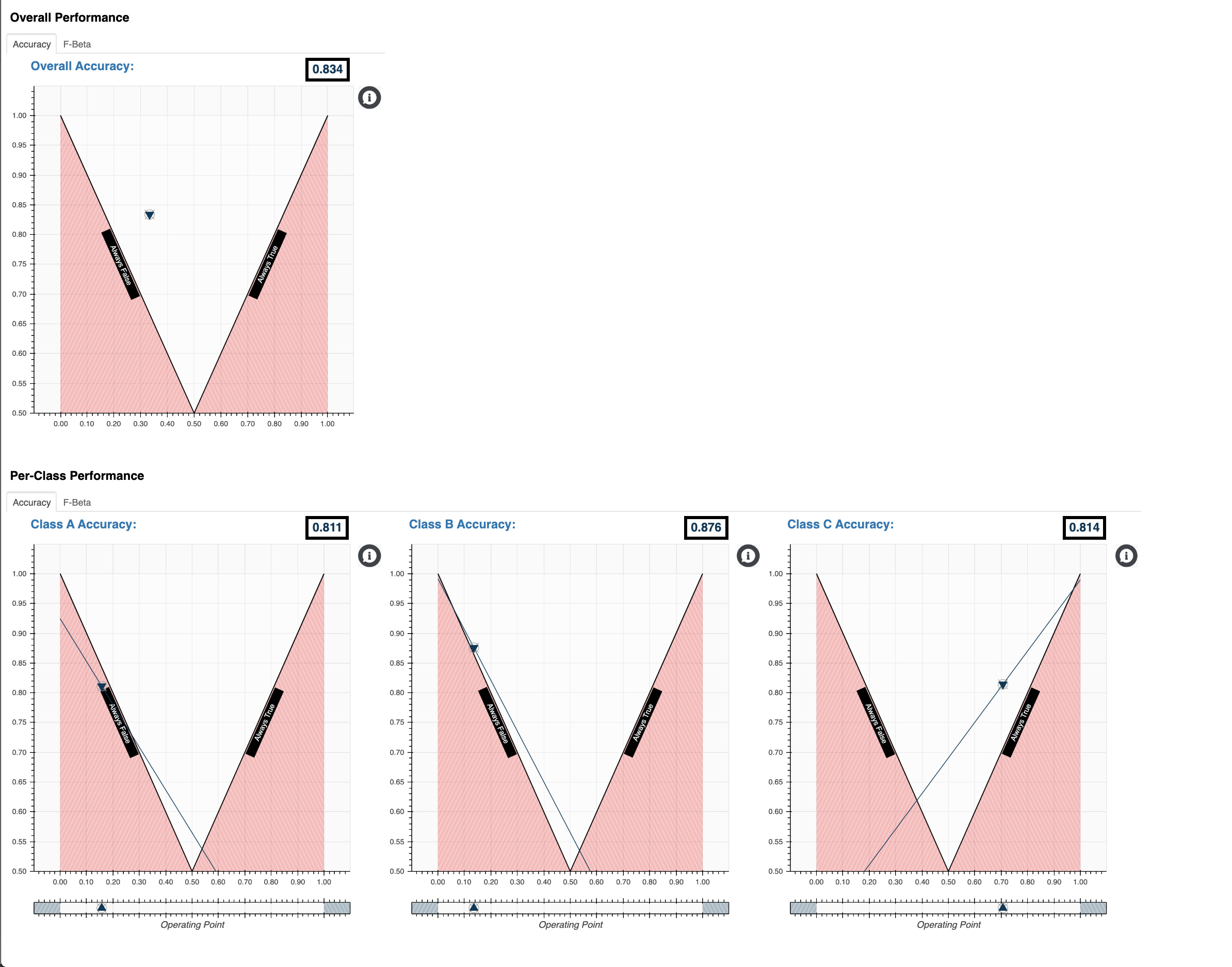
I have a grid-based layout for graphical presentation of information and user interaction to dynamically change settings and observe the effects in a multiclass classification problem. Each class’ contribution to the overall behavior is associated with one of the plots in the grid layout. Moreover, each element in the grid comprises multiple bokeh model primitives, e.g. a pair of linked figures and possibly a UI control such as a slider.
I observe experimentally that when making interactive changes to a given class’ models, the rendering is halting and slow to respond, taking several seconds for a problem with 30 - 40 classes (and thus 30 - 40 grid elements).
I am fairly certain that the problem is with re-layout of the display. Moreover, the underlying data are being updated efficiently with data patches, so I’m not pushing around large amounts of data. In case its relevant, the implementation is a bokeh server realization.
I have reviewed similar prior threads, e.g.
https://github.com/bokeh/bokeh/issues/6294
And dispositions that work addressed this in recent updates to the bokeh application, e.g.
https://github.com/bokeh/bokeh/pull/8085
With that background, I am wondering if there are pointers given insight into the underlying codebase or model implementations that can be followed to make things generally more responsive.
Specific questions that come to mind …
Are certain model types more prone to inefficiencies in this area?
Are certain sizing attributes (and at what level) preferred or able to prevent re-layout of the entire UI when only one element of a grid is being refreshed at any given time?
Thanks